
Stranded: Exploring the Future of Tibetan Refugees in India
Dialogues for Post-Conflict Futures Series Webinar #1
As part of the Dialogues for Post-Conflict Futures Webinar Series, this session explores the evolving realities and future trajectories of the Tibetan diaspora in India. Grounded in the series’ commitment to listening before intervention, this conversation will centre voices with lived experience alongside critical scholarship to examine how displacement and identity intersect across generations.
The webinar will explore key structural and social questions shaping Tibetan life in India today, including the legal status of Tibetans born in or seeking refuge in India, access to land and property, and ongoing barriers to equality in education and employment. Moving beyond policy analysis, the discussion highlights community resilience and agency, as well as the potential for paradigm-shifting, community-led innovation in response to long-standing structural constraints; for instance, through Tibetan-led educational initiatives in exile that serve simultaneously as spaces of learning and cultural preservation.
The session will further engage with decolonial perspectives emerging from Tibetan diasporic scholarship, including oral histories and community-driven knowledge production, to surface alternative ways of understanding displacement and to imagine more just and equitable futures for those living in exile.
Speaker Bios:
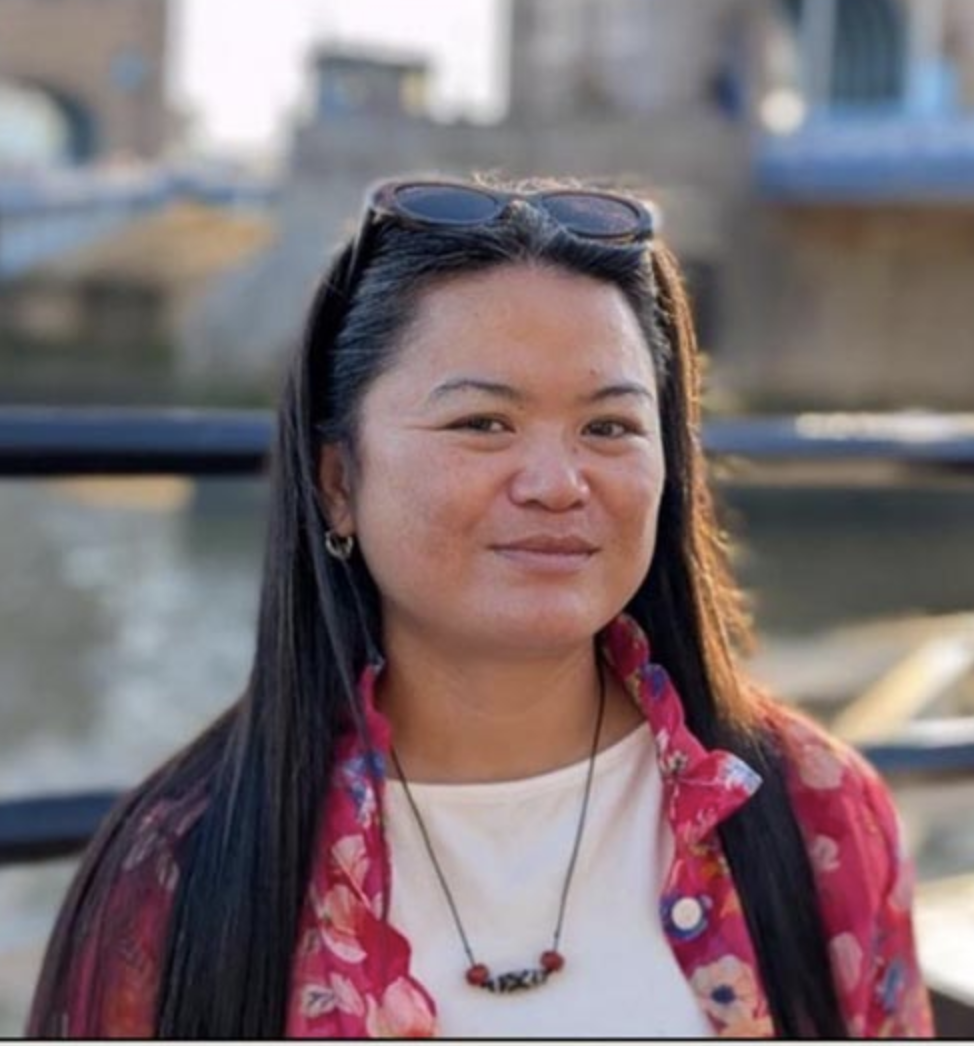
Dr. Dawa Lokyitsang is a Tibetan American anthropologist and postdoctoral fellow at Leiden University’s International Institute for Asian Studies. Her research examines the anticolonial agency of Tibetan schools established by and for Tibetan refugees in India, responding to China’s settler-colonial projects in Tibet. She is co-founder and editor of Lhakar Diaries, advancing decolonial scholarship through Tibetan diasporic voices, oral histories, and critical thought.
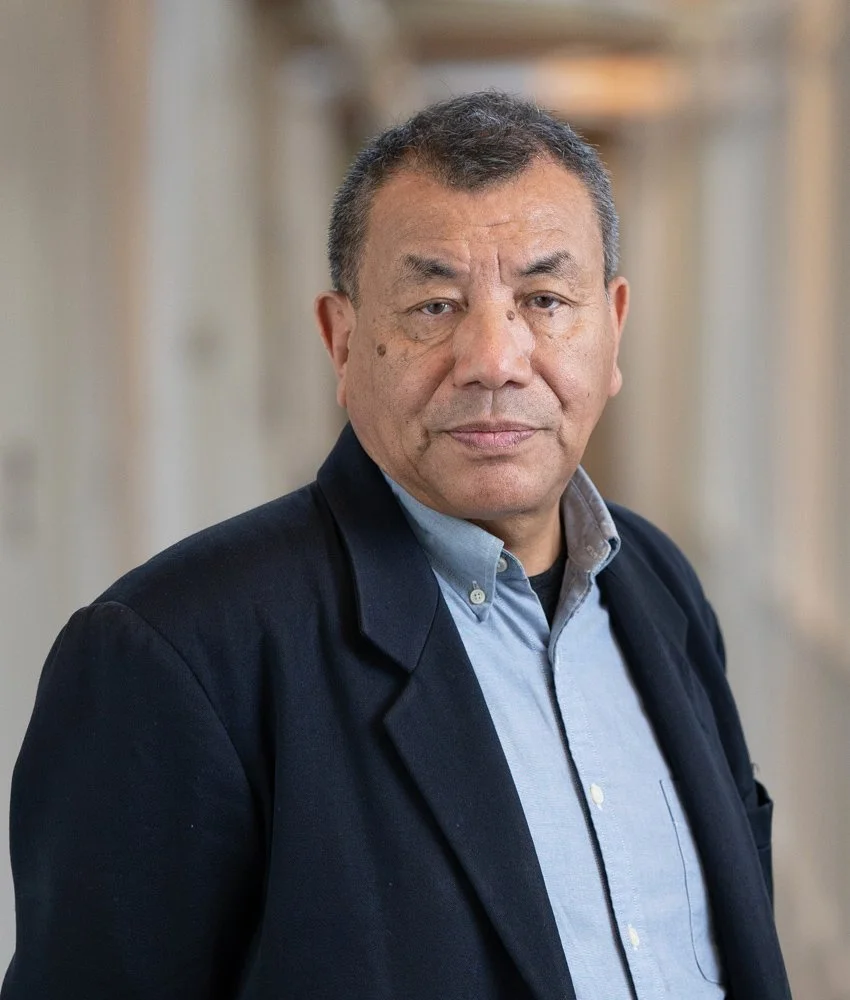
Professor Tsering Shakya is a leading scholar of modern Tibetan history and politics, widely respected for his nuanced analysis of Tibet’s past and present. He is a historian and public intellectual whose work bridges academic research and contemporary global discussions on identity, nationalism, and cultural resilience. Born in Tibet and raised in exile, Professor Shakya brings a deeply informed personal perspective to his scholarship, enriching his academic contributions with lived experience.
He currently teaches at the University of British Columbia, where his courses explore Tibetan history, Asian studies, and issues of diaspora and memory. His landmark book, The Dragon in the Land of Snows: A History of Modern Tibet Since 1947, is regarded as one of the most authoritative accounts of modern Tibetan history and has been widely translated and cited.
In addition to his academic work, Professor Shakya is an active commentator on Tibetan affairs, contributing to international media and policy discussions. His research emphasises the complexity of Tibetan identity and the political transformations that have shaped the region. Through his teaching, writing, and public engagement, he continues to foster a deeper understanding of Tibet’s history and its place in the modern world.

Moderator: Norpell Wilberforce is a British-Tibetan analyst and activist. He graduated in Natural Sciences from Cambridge University in 2024. Currently, he specialises in the application of artificial intelligence to business and governance, and its interaction with digital transparency and human rights. Previously, he has worked with the Financial Times and the Human Rights Foundation.
Norpell lived in his family’s Tibetan settlement in south India for a year of his childhood, and spends a month with Tibetan communities around the country every year
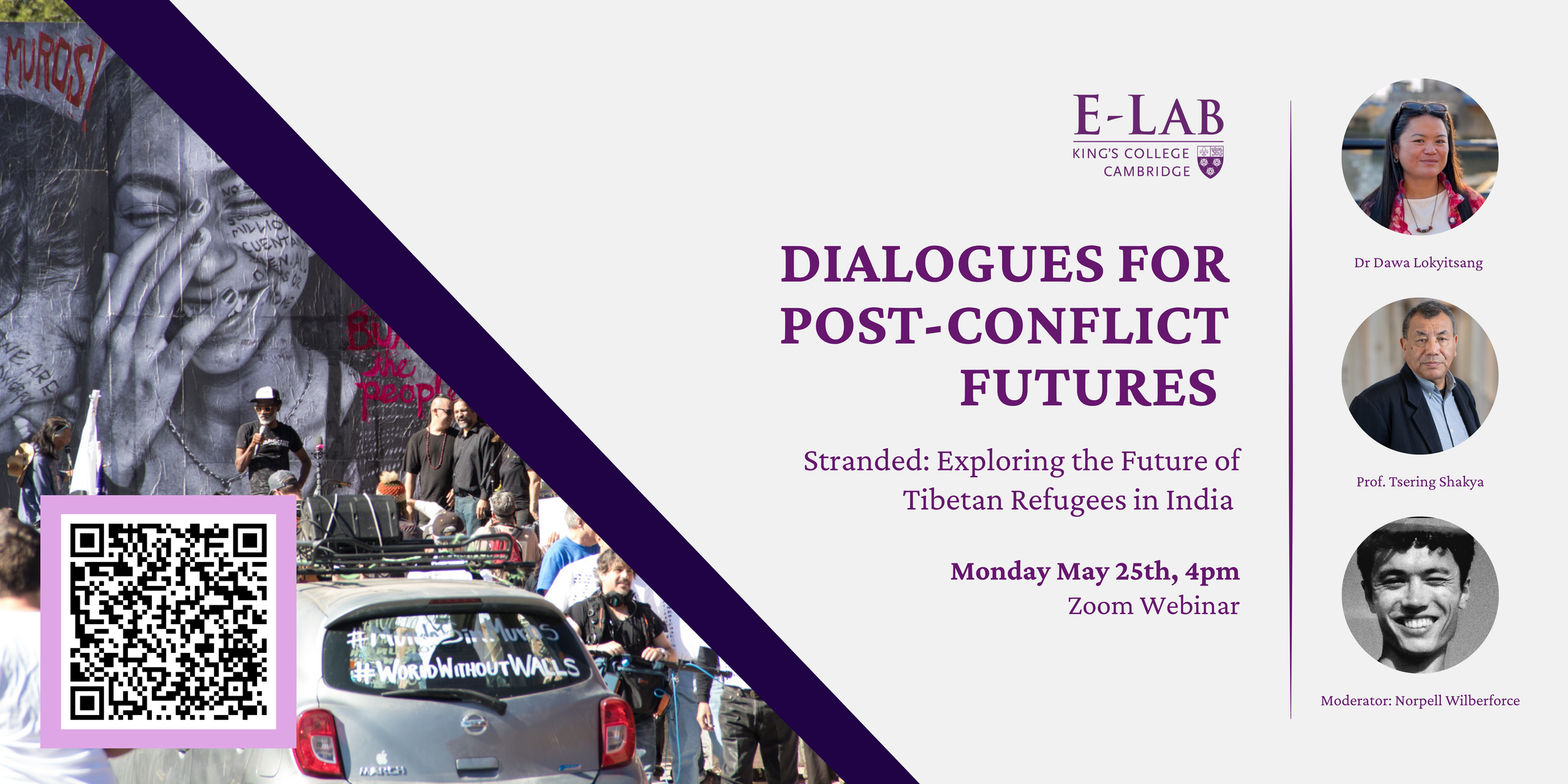
Interested in finding out more about the Dialogues for Post-Conflict Futures Series? Click here!