
Beyond Unicorns: Rethinking Innovation and Resilience in a Changing World
Written by Enita Ese Okonkwo
Finding the New Within the Old
One of the things I find fascinating about Cambridge is how its history remains part of everyday life. Centuries-old buildings continue to serve new purposes, reflecting how the city has evolved while preserving much of its architectural heritage and adapting to the changing needs of the people and communities around them.
At the opening of the 2026 Global Entrepreneurship and Innovation Research Conference (GEIRC), Gillian Tett, Provost of King's College, drew our attention to the Chapel nearby. Construction began in 1446 and took almost seventy years to complete. Nearly six centuries later, the Chapel became the subject of a different conversation when King's proposed installing solar panels on its historic roof.
The proposal was controversial, particularly among those concerned about preserving the architectural character of this important heritage building. Eventually, it was approved, and the Chapel now generates renewable electricity from rooftop. I found the example interesting because it reinforced something I have come to appreciate through my professional experience: successful innovation involves finding workable technical solutions while engaging with existing systems, understanding different interests and values, and finding common ground.
The Chapel's historical significance could be preserved while accommodating modern technology, although achieving this required careful consideration, dialogue, and some difficult decisions.
Bridging Research and Entrepreneurial Practice.
Now in its fifteenth year, GEIRC brings together researchers and practitioners to examine how entrepreneurship and innovation evolve. The 2026 conference focused on navigating uncertainty and building resilient ventures and innovation ecosystems in a changing world.
I attended with an interest in understanding the research behind decisions entrepreneurs and investors make. My background is in civil engineering and infrastructure development, where much of my work involves translating plans into practical outcomes. More recently, my interest in sustainability and entrepreneurship has made me curious about what determines whether a promising idea develops into a viable business.
One observation that stayed with me was the importance of using research frameworks as guides rather than rigid rules. This resonated with my experience in project management, where even the most carefully developed plans can be challenged by unforeseen circumstances. While planning, although established procedures and risk assessments provide an important foundation for project delivery, experience has taught me that the ability to adapt to changing realities is equally necessary for achieving successful outcomes.
Similarly, in entrepreneurship, research can provide valuable insights and guide decision-making, but entrepreneurs must remain flexible and adapt their approaches to the realities and challenges of the environments in which they operate.
Investing in Innovation: The Venture Capital Dilemma
The discussions on venture capital offered insights into the factors influencing investment decisions, particularly the challenges of financing breakthrough technologies. Jeremias Huber of the International Finance Corporation presented research on the trade-off between supporting breakthrough innovation and the pressures venture capital firms face when raising subsequent funds.
While venture capital is often discussed from the entrepreneur's perspective, investors face their own considerations. Funding cycles, investment strategies, and obligations to their investors influence the technologies they support, their sector preferences, and the risks they are prepared to take. Osnat Zohar's presentation on the lifecycle of venture capital funds provided further insights into how investment decisions evolve over a fund's lifespan.
A useful note of how research and investment come together is Cambridge GaN Devices, a University of Cambridge spinout founded in 2016 to develop energy-efficient semiconductor technologies. Its development grew out of years of engineering research, supported by successive investment rounds and collaborations. In February 2025, the company secured $32 million in Series C funding to support its expansion.
Its journey illustrates how commercialising breakthrough technologies can require sustained research, specialised expertise, and different forms of finance over time. These considerations highlight the importance of understanding the financing environment as a whole, particularly for ventures developing technologies that require sustained investment and which must navigate changing financial conditions before reaching commercial markets.
Chasing Unicorns and the Importance of Human Capital
Another presentation that caught my attention was Anavir Sherman's research on immigrant-founded startups and their likelihood of becoming unicorns (companies valued at over a billion dollars). The discussion considered how human capital, international networks and founders' cultural backgrounds may influence entrepreneurial outcomes.
Having spent much of my professional life in Nigeria and now studying in the UK, I found this particularly relevant. Moving between environments exposes you to different approaches to solving problems. You also recognise how much access to people, information, and professional networks can influence available opportunities.
David Hsu's presentation on the uneven geographical diffusion of startup talent raised another issue. Entrepreneurial opportunities and jobs can emerge in new locations faster than the skilled talent needed to support them. This reminded me of challenges I have encountered in Nigeria's infrastructure sector, where the availability of specialised skills can determine how quickly projects progress and whether new approaches can be adopted. Developing an innovation ecosystem takes time. Attracting investment and establishing businesses are important steps, but building the talent, institutions, and networks needed to sustain them requires continued effort.
The discussions also raise broader questions about how entrepreneurial success is defined and measured. While unicorns represent remarkable examples of venture growth, the emphasis on billion-dollar valuations can sometimes overshadow businesses creating value in other ways.
In sectors such as construction, water infrastructure and waste management, innovation may involve reducing costs, improving access to essential services or using resources more efficiently. These businesses may never achieve unicorn status, but their contributions can make a considerable difference to communities and economies.
The Role of Innovation Ecosystems
The discussions at GEIRC highlighted the importance of looking beyond individual entrepreneurs and business ideas to consider the wider systems that support innovation.
In infrastructure development, project outcomes often depend on factors beyond technical design. Regulatory requirements, institutional coordination, stakeholder relationships, and access to resources can all influence whether an intervention succeeds. My recent academic research on urban stormwater governance in Abuja reinforced this understanding, examining how institutions, communities, and technology can work together to improve resilience.
These considerations are equally relevant to entrepreneurship as a venture may have strong technology and a promising market, but its growth also depends on access to finance, skilled people, supportive institutions, and connections to wider markets.
Cambridge provides an interesting perspective of how these relationships can support innovation. Collaboration between the University, research institutions, investors, and technology companies has helped create an environment where scientific discoveries can develop into commercial ventures. However, similar opportunities may be more difficult to establish in emerging economies, where entrepreneurs often operate within environments characterised by infrastructure gaps, limited access to finance, and institutional challenges.
Research from established innovation ecosystems offers valuable lessons, but applying these insights across different geographical and economic contexts requires an understanding of local conditions and the challenges entrepreneurs face.
Looking Beyond the Next Unicorn
The opening reflection on King's College Chapel offers a useful perspective on the discussions at GEIRC. The decision to install solar panels on a centuries-old building demonstrated how innovation can respond to changing needs while respecting existing values and institutions.
The conference highlighted how investment decisions, access to talent, and the wider business environment influence entrepreneurial outcomes. These insights are particularly relevant when considering how innovation develops across different economic and institutional contexts.
As GEIRC marks fifteen years of connecting research with entrepreneurial practice, it provides an opportunity to question established assumptions about entrepreneurial success and how innovation can be supported.
Beyond the emergence of unicorns and other high-growth ventures, the strength of an innovation ecosystem can also be reflected in its capacity to support diverse businesses, encourage knowledge exchange, and create opportunities for more people and ideas to thrive.
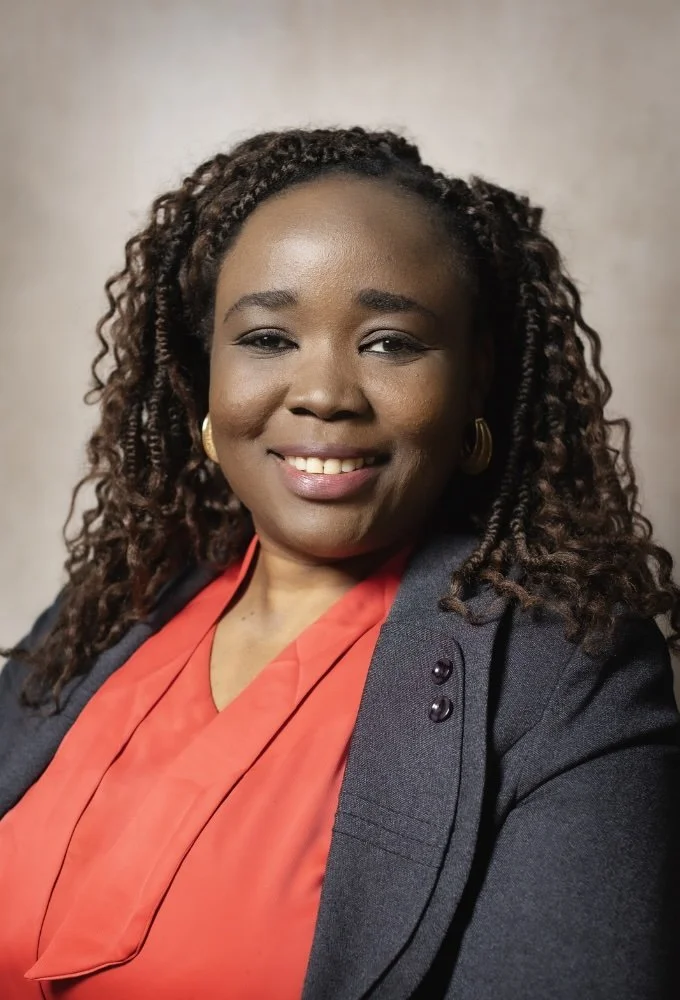
Enita Ese Okonkwo is a Civil Engineer and community builder. She graduated at the top of her class and has 15 years of experience advancing SDG 11 through more than 150 infrastructure projects that have impacted millions across Nigeria. Enita is passionate about climate-resilient infrastructure, entrepreneurship, education equity, and increasing women's participation in STEM. She is the founder of EngineRoom, a construction tech venture promoting sustainability and innovation, and The BookMarket a Meta-verified literacy platform that has distributed over 25,000 books and fostered a social community of 50,000 women and girls.
Enita completed an MPhil in Engineering for Sustainable Development at the University of Cambridge in 2026 in which her research explored integrating Indigenous construction knowledge and smart construction technologies to modernise urban infrastructure development and maintenance in emerging economies like Nigeria.