
Written by Carys Williams
For my LiA, my project brief was to evaluate the potential expansion of The Red Hen Project into Abbey Ward, Cambridge. Abbey Ward is the most deprived area within Cambridge, and struggles with systemic poverty and the Red Hen Project is a charity in Northern Cambridge who support families of young children facing barriers. They do this through running family drop-in activities, courses and one-to-one case work with family workers - focusing on a holistic approach to increase wellbeing and access to family support for those in need. My time gave me a variety of insights, into how systems function (sometimes to perpetuate inequality) and how leadership works in practice).
Insight into Global Systems
This project heavily focused on serving the community based on their specific needs. By understanding the gaps and challenges Abbey families face, The Red Hen Project should be able to tailor their services more effectively, rather than predicting what may work.
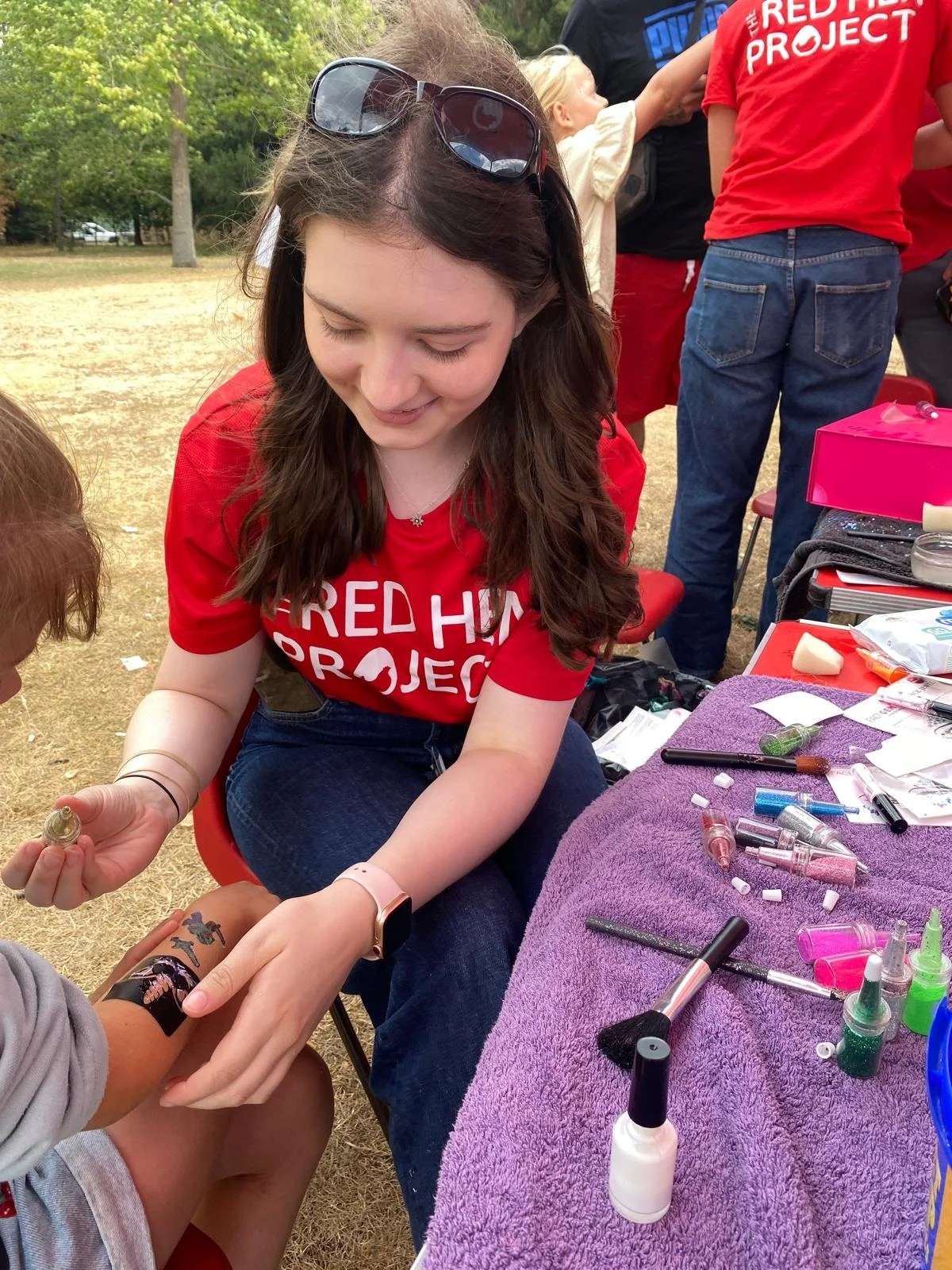
Because of this , my project was largely involved in the Social Care and Welfare sector, with some overlap with Healthcare and Education. Yet during my placement, it became clear to me that systemic poverty bleeds into all aspects of a community. Through my gap analysis of the five capitals (Human, Environmental, Social, Physical and Financial), I saw how easily poverty impacts the other capitals. For example, understanding that an area with historical poverty does not have the financial capacity to develop infrastructure. This in itself reduces physical resources accessible to communities, such as a lack of third spaces or suitable living conditions. Without these there is an impact on social capital, with increased mental health issues and burnout, which can impact individuals’ confidence, for example when trying for jobs.
The community I worked with had a large lack of trust in new organisations. I noticed that organisations were only able to have an impact when they built consistency and presence over time, showing the community that they were there to stay and help. Within the project itself there were a few barriers, mainly the inability to communicate with some key stakeholders due to time constraints (such as the project being in the school holiday period), along with difficulty in attaining many survey responses.
Structurally, funding and lack of infrastructure are what will impact how the area can be supported in the future. However, with consistency and a built trust there is the capability to increase family and parents’ human capital through increasing their knowledge on things like finance and parenting, and making connections to other organisations that can provide more support. Additionally, as the charity hosts many drop-ins, it should be able to help foster friendships and community, increasing family welfare in the area and thus confidence. Furthermore, they support many families and schools with SEND, and so can improve their support system.
My project is significant for the Red Hen Project’s expansion as they can now visualise what resources are available and understand where they can support further. I believe some of the connections I made with other charities will mean that many organisations trying to support Abbey can collaborate to help the wider community in multiple aspects. The project strengthened their existing plan to expand, by reinforcing recommendations for the future whilst giving them a detailed understanding of the area and its needs, for example by exposing existing gaps of poverty, infrastructure and mental health. Realistically, my LIA influenced the Abbey community, and partially individuals by giving the family workers a deeper understanding of the family needs.
Meaningful systemic change would require a lot of funding in the area. Redevelopment is needed beyond adding more council housing. For example, having more shops in the residential area so that people can easily access food. There needs to be an increase in third spaces as currently there are no areas to socialise in the residential area, which is exacerbating isolation. By having new buildings within the area, this could create more accessible employment opportunities. Generally, charities like the Red Hen Project can help build the community to increase wellbeing within the area. However, even community building efforts need venues to host. Therefore, a lot of responsibility for long-term change lies on the council to invest in infrastructure that supports the community needs.
The project has changed my way of thinking about systemic change: it can be built by the community from small consistent efforts, along with policy and funding. I believe there needs to be more advocacy for change, particularly in affluent areas such as Cambridge which have the resources to make an impact.
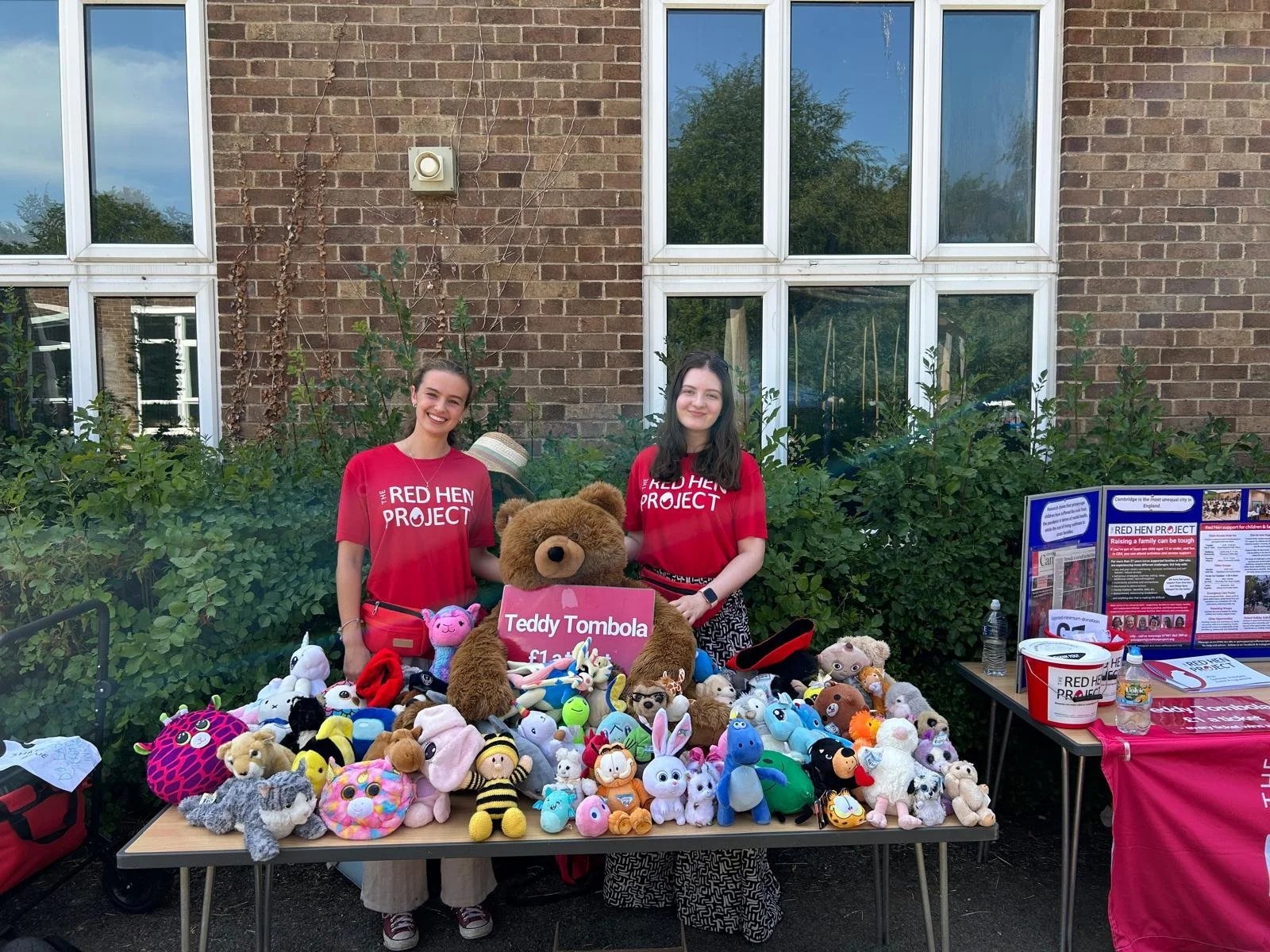
I was aware that poverty was a key social determinant of health from my medical studies, however being able to explore it in more depth whilst talking to communities affected, it highlighted just how much of an impact poverty has and how medical professionals don’t always consider this in the way they communicate with patients. From my LIA, I feel called to continue working and researching into preventative measures within healthcare and communities. Many of the challenges in Abbey could be preventable through increasing support for SEND specialists and capacity in schools, increasing community welfare interventions, general education and much more. Seeing how medical issues can be exacerbated by poverty and its respective challenges, I understand how the systemic barrier makes it harder for people to make healthier life choices, creating a cycle of deteriorating physical and mental health. As a future Doctor, this is close to me as I believe firmly in community-based medicine as a form of preventative care within public health. The insight from this project will aid me as I work in healthcare, allowing me to make more considerate decisions as a Doctor and potentially help in policy making or other healthcare recommendations.
My Thoughts on Leadership
The biggest change in the way I perceive leadership is how variable it can be. One of my key reflections was that leadership had different styles. Previously, I was familiar with team based leadership. I understood that as a leader of a team you could have different roles, for example being autocratic and taking control of decisions, or my preference, democratic with shared decision making within the team. My LIA led me to consider leadership as an individual without having to lead a team. At first I thought many tasks such as doing initial research or emailing stakeholders were standard tasks required for the project, and I questioned how I was developing my leadership skills. I then came to realise that leading a team based project is very different to leading a project individually. The skills required for both are interchangeable, but for an individual project the subtleties of the project usually demonstrate leadership. For example, forging connections through interviews and emails is an example of collaborative leadership. Each task practised a different skill.
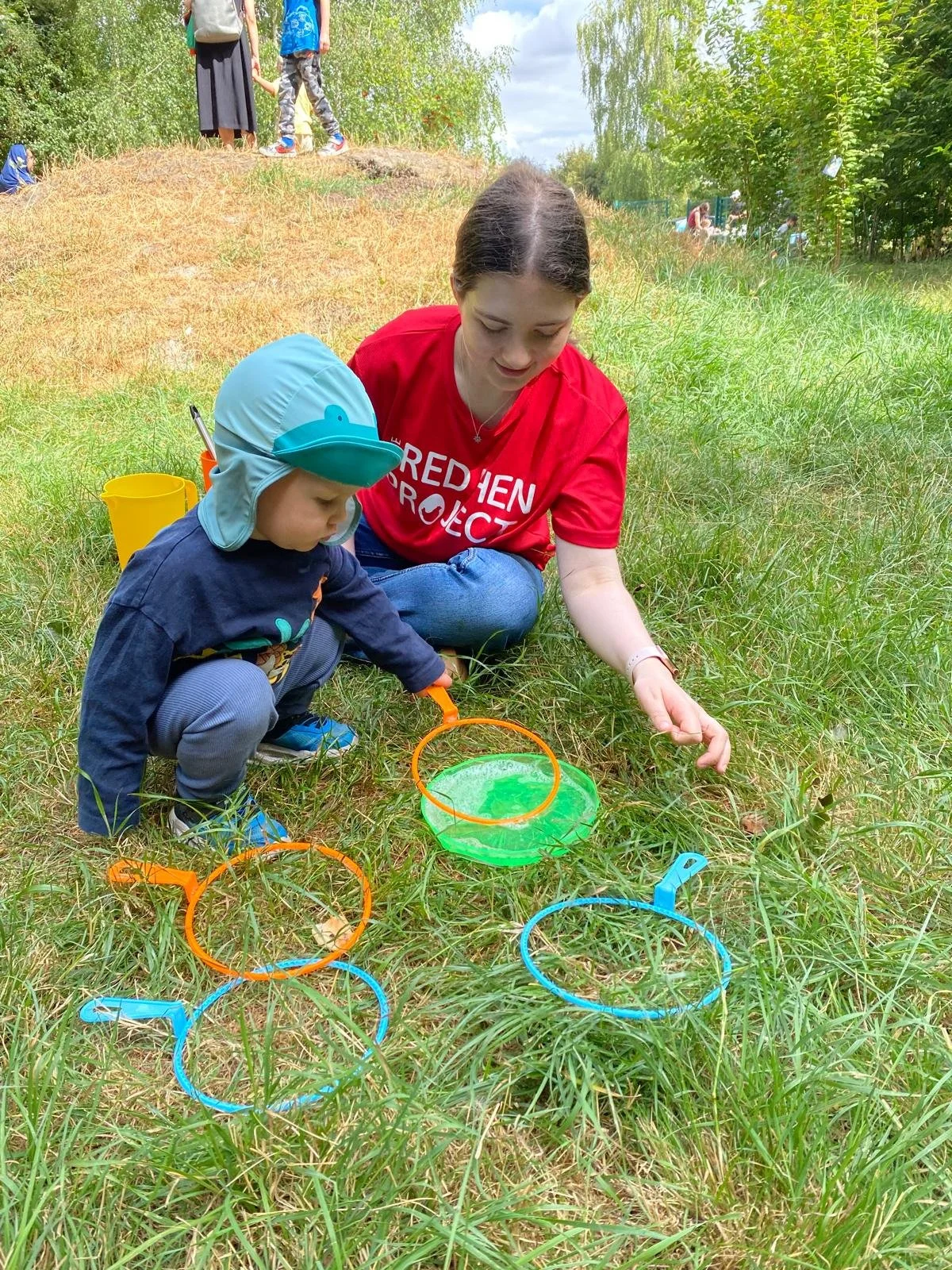
This led me to the belief that leadership is simply the act of taking initiative towards a goal. It involves taking responsibility for tasks and using your influence ethically to drive progress: whether that is as a team or individual.
It is also integral to be adaptive. Changing leadership styles for different phases of a project maximises efficiency. However, in real-life contexts projects very rarely go to plan. Having a risk management table at the beginning of my project allowed me to create contingency plans for when things inevitably changed. Additionally, unpredicted challenges arose during the project and I learnt as a leader you have to be decisive in your response, evaluating which areas require more time and effort and which are less relevant within the scope of the end deliverable.
Being a student within Cambridge, prior to the project I was only familiar with the city centre. Therefore, working in Abbey Ward, an area I had not heard of previously meant that I had to walk into spaces with humility. I aimed to be respectful and attentive when talking to stakeholders and conducting my research as I was aware from the beginning that I was working with vulnerable people and that the only way I could help them was by listening to their stories. I showed integrity by being transparent with stakeholders on my project intentions and current understanding of the area, building trust. Generally, I demonstrated justice through my project’s goal to further the charity’s work in supporting those who needed it most to create a fairer community.
The character dimensions I developed the most were drive and courage. Despite having ideas and questions early on, I lacked the confidence to approach those who could help at the fear of looking incapable or unknowledgeable in my project. Over the course of the six weeks I made a conscious effort to force myself into seemingly uncomfortable situations created from my lack of confidence, as I was aware I would not be able to serve the community and charity to the utmost of my ability without taking initiative. I began this with simple actions such as sending an e-mail or asking for a meeting first thing in the morning to prevent myself from overthinking the situation. An example of this was when I suggested we create a survey for families. I found as soon as I had pushed myself to ask the question or send the e-mail, I was immediately more confident and comfortable in sharing my ideas. This realisation made me more eager to brace uneasiness and take that first hurdle, within my project and personal life. Through making these decisions and dealing with setbacks, I realised how resilient I am.
The change maker values that guided my decisions were mainly determination, curiosity, bravery, acting fast and doing good. Throughout the project I was determined to fulfill my project brief and be able to contribute to some impact on the Abbey family community. I was curious throughout - constantly analysing data, interviewing for new perspectives and creating links to identify gaps. Personally, I developed my bravery by developing my confidence to act on my ideas unapologetically. Although I created a timeline for myself for project milestones, I worked efficiently and used extra time generated to create new opportunities and reallocate to other tasks. I also demonstrated doing good by collaborating with others and trying to make sustainable progress.
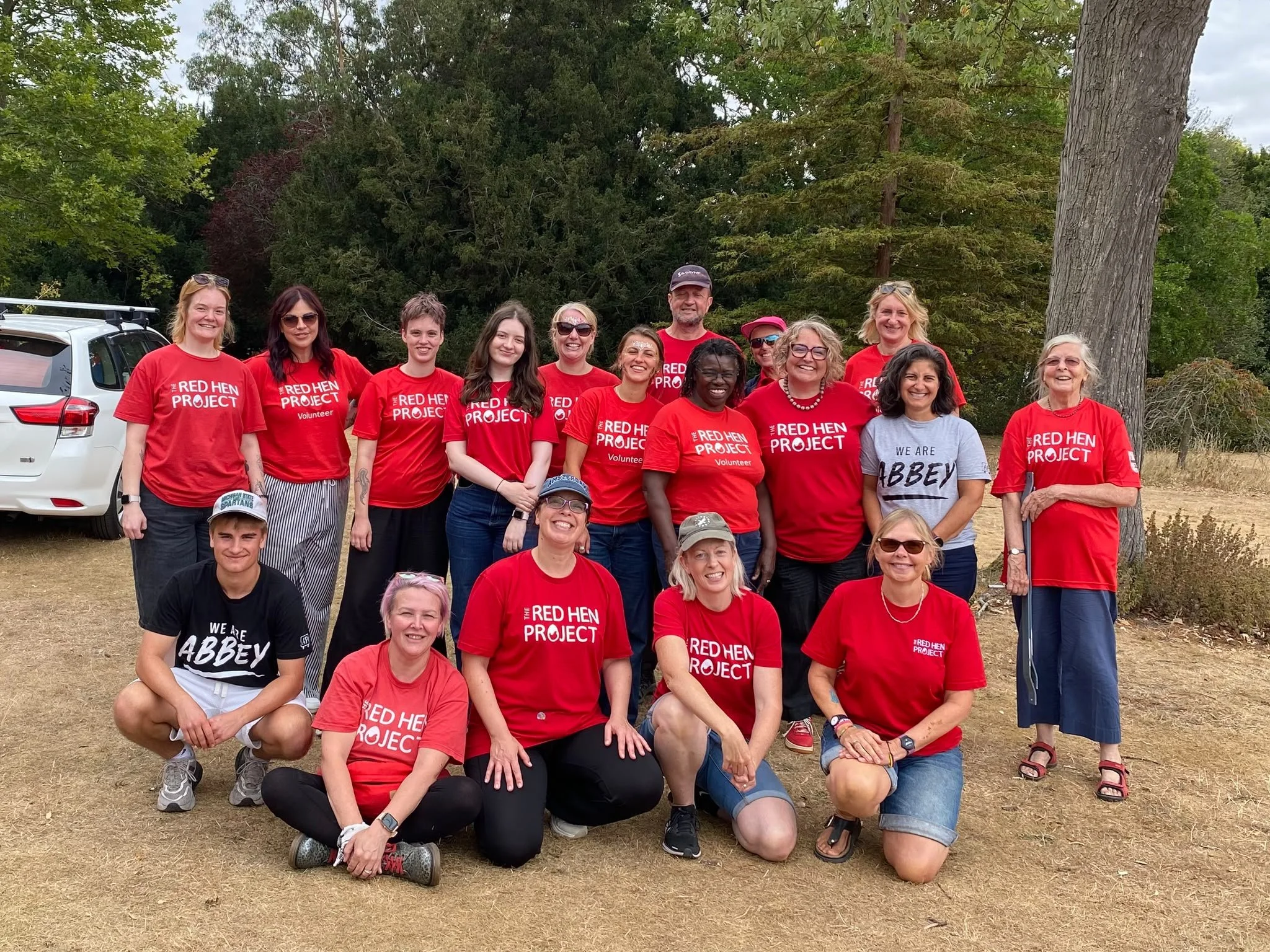
I utilised all three capacities during the project. I used my process capacities as the majority of my evaluation relied on project management and research analysis, however I was fairly confident in these to begin with. Performance capacities such as critical thinking, reflection and strategy are those I likely developed the most whilst analysing gaps and opportunities. People were relevant to my project, but the extent to which I demonstrated this capacity was constrained by the scope and nature of the project. I identified potential opportunities for collaboration with other charities, but recognised that I did not have the authority to establish these relationships myself. In future, I would like to develop my influencing skills so that I can more confidently communicate the value of these opportunities to relevant decision-makers and build a case for collaboration.
Conclusion
In summary, my LIA went successfully. I delivered on my project goals and provided resources to the charity for longer term impact. During the placement, I constantly questioned what it meant to be a leader and how I could develop my skills. Having completed it, I have come to the conclusion that leadership is proactively working towards a goal that will have a positive impact, and that it can take various forms. I have also gained a deeper understanding of poverty as a global issue and its impacts on communities.
I am grateful for the Laidlaw Foundation and the team at the E-Lab for supporting my LIA placement. I am also thankful for the team at the Red Hen Project for being wonderful hosts and allowing me to complete my project with them. I’d also like to thank the Cambridge Laidlaw cohort for their support and guidance.
The full version of Carys’s project review can be found at: https://laidlawscholars.network/documents/lia-output-evaluating-potential-expansion-of-the-red-hen-project-in-abbey
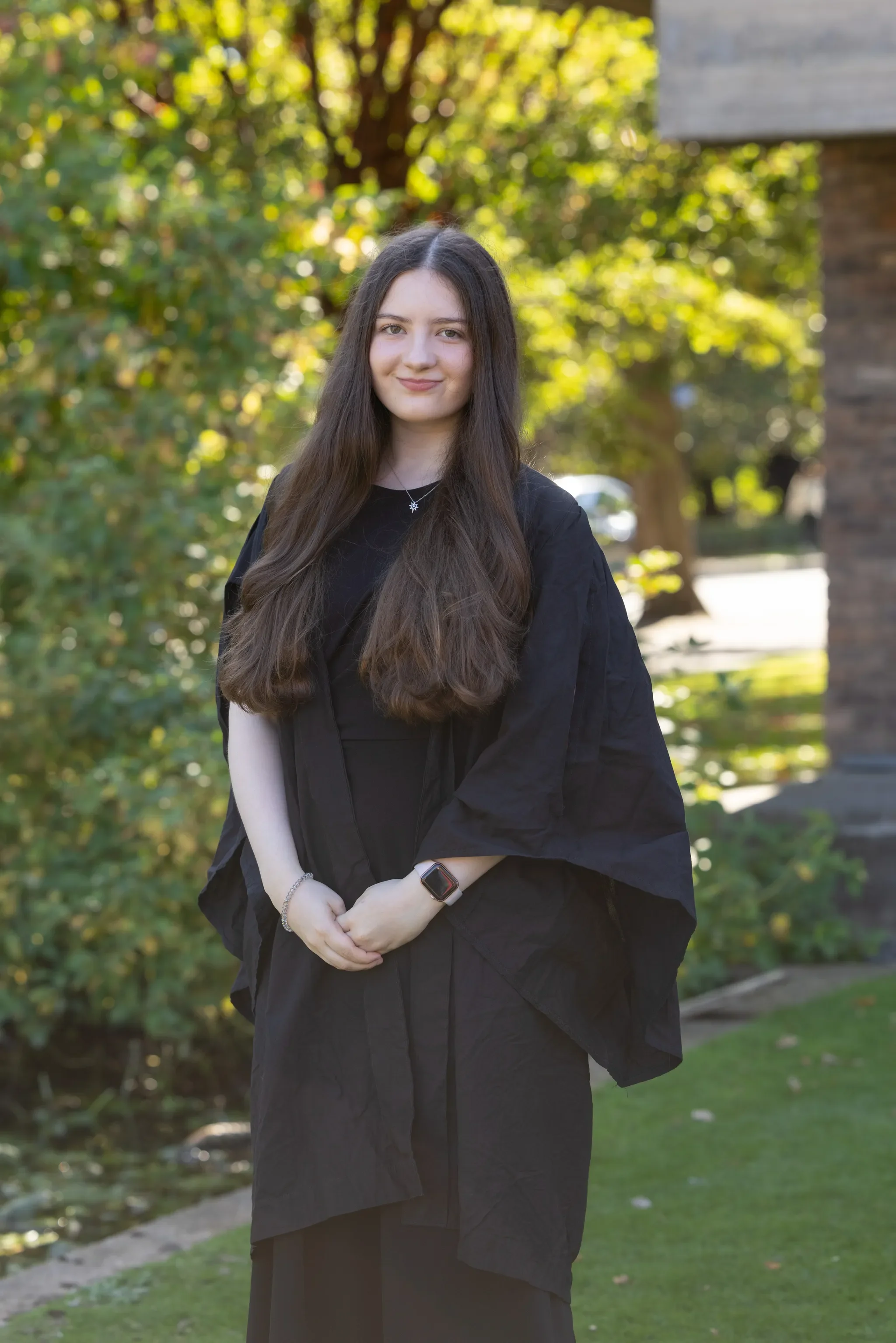
Carys Williams is a first year medical student at Churchill College. Having previously been a Project Manager to a World Final school team in STEM Racing in 2024, she aims to develop her leadership skills through the Laidlaw programme. She is ambitious and motivated in helping the wider community. Carys hopes to nurture her skills to make a positive impact on local and global problems, with a particular research interest in public health and preventative medicine. Through the Laidlaw training she wants to use these experiences to improve healthcare in the future.